How Long Does a Roof Last? Lifespan by Roofing Material
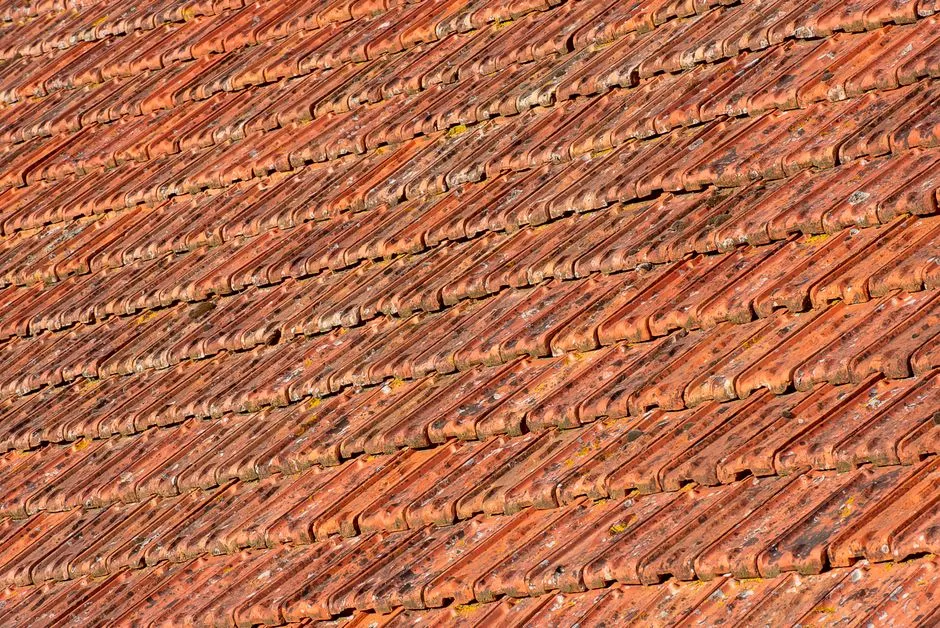
How Long Does a Roof Last?
Most roofs last somewhere between 15 and 50 years, and the single biggest factor is the material. A basic three-tab asphalt shingle roof typically lasts 15 to 20 years, an architectural asphalt shingle roof 20 to 30 years, a metal roof 40 to 70 years, and a concrete or clay tile roof 50 years or more — sometimes far more. Climate, installation quality, attic ventilation, and maintenance then stretch or shrink those numbers, often by a decade in either direction.
If you only remember one thing from this guide, make it this: the number printed on the warranty is a marketing figure, not a prediction. Real-world service life depends on what sits above your ceiling, who installed it, and how much sun and weather it absorbs. Below, we break down realistic lifespans material by material, explain what shortens or extends them, and cover the signs that a roof is genuinely at the end of its run.
Roof Lifespan by Material: The Quick Comparison
Here is how the common residential roofing materials compare on realistic service life. These are honest working ranges, not warranty maximums.
| Roofing material | Typical lifespan | Notes |
|---|---|---|
| Three-tab asphalt shingles | 15–20 years | The budget option; thinner and less wind-resistant |
| Architectural asphalt shingles | 20–30 years | The most common choice on new roofs today |
| Wood shakes/shingles | 20–35 years | Restricted in many fire-prone areas; check local rules |
| Metal (standing seam) | 40–70 years | Panels outlast most fasteners and sealants |
| Concrete tile | 40–50+ years | Tiles outlive the underlayment beneath them |
| Clay tile | 50–100 years | Among the longest-lived materials made |
| Slate | 75–100+ years | Heavy, expensive, and rare in Southern California |
| Flat-roof membranes (TPO, modified bitumen) | 10–25 years | Common on additions and low-slope sections |
Two important caveats sit behind this table. First, tile and slate roofs have a hidden clock: the waterproof underlayment beneath the tiles usually wears out decades before the tiles do. Second, flat and low-slope sections — common over garages, patios, and additions — age on their own faster schedule even when the main roof is fine.
How Long Do Asphalt Shingles Last?
Asphalt shingles cover the majority of American homes, so this is the lifespan question most people are really asking.
Three-tab shingles: 15–20 years
Three-tab shingles are the thinnest, lightest, and cheapest asphalt product. They lie flat, offer less wind resistance, and carry shorter warranties. In a hot, sunny climate, expect the lower end of the range — intense UV exposure dries out the asphalt, and the protective granules wear away sooner.
Architectural (dimensional) shingles: 20–30 years
Architectural shingles are thicker, layered, and heavier, which makes them more durable and more wind-resistant. They dominate new installations for good reason: the added lifespan usually costs relatively little extra at install time. Premium "designer" versions can push toward the top of the range.
What ages asphalt fastest
- UV exposure. Sun is the primary enemy of asphalt. South- and west-facing slopes typically age faster than north-facing ones.
- Poor attic ventilation. A hot, unvented attic bakes shingles from below and can cut years off their life.
- Heat cycling. Daily expansion and contraction slowly cracks and curls shingles — a real factor in inland areas with big day-night temperature swings.
- Granule loss. Those sandy granules in your gutters are the shingle's sunscreen washing away. Heavy loss means the end is near.
In San Diego County, the mild, dry climate is kind to roofs in some ways — little freeze-thaw stress, modest rainfall — but the year-round sun is relentless. Realistically, plan around the middle of each range, not the top.
How Long Does a Tile Roof Last?
Drive through almost any San Diego–area neighborhood and you will see why this question matters locally: tile is everywhere, and for good reason. It handles sun beautifully and suits the region's Spanish and Mediterranean architecture.
Concrete tile: 40–50+ years
Concrete tiles are extremely durable. They resist fire, shrug off UV, and don't rot or corrode. Manufacturers often warranty them for 50 years, and the tiles themselves frequently deliver.
Clay tile: 50–100 years
Clay tile is one of the longest-lived roofing materials ever made — there are clay roofs in Europe that are centuries old. Barring impact damage, clay tiles can plausibly outlast the house.
The catch: the underlayment doesn't last as long as the tile
Here is the detail that surprises many tile-roof owners. The tiles are the armor, but the actual waterproofing is the underlayment — a membrane layer beneath them. Traditional felt underlayment commonly lasts 20 to 30 years; modern synthetic underlayments generally last longer. When the underlayment fails, the roof leaks even though the tiles look perfect.
That's why tile roofs typically need a relift (also called a lift-and-relay) partway through their life: a contractor removes the tiles, replaces the underlayment and flashings, and reinstalls the original tiles. It costs a fraction of a full replacement and resets the clock for decades. If you own a tile roof that is 25 or more years old and has never had its underlayment replaced, that — not the tiles — is what deserves your attention.
One more caution: never walk on a tile roof. Tiles crack easily underfoot, and the fall risk is serious. Inspect from the ground with binoculars and leave the rest to a professional.
Metal, Wood, and Flat Roofs
Metal roofs: 40–70 years
Standing seam metal roofs — the kind with raised vertical ribs and hidden fasteners — are among the most durable options for pitched roofs, commonly lasting 40 to 70 years. Exposed-fastener metal panels last less time because the screws and their gaskets weather out and need periodic attention. Metal reflects heat well, which is a genuine advantage in a sunny climate, and coastal homeowners should ask about corrosion-resistant coatings for salt-air exposure.
Wood shakes and shingles: 20–35 years
Wood roofs can last decades with maintenance, but they are increasingly rare in Southern California because of wildfire risk — many jurisdictions restrict or effectively prohibit them in fire hazard zones. If you're considering wood, check your local building department first.
Flat and low-slope roofs: 10–25 years
Membrane systems like TPO and modified bitumen, common on additions, garages, and mid-century homes, generally last 10 to 25 years depending on the product and installation. Ponding water — puddles that linger for days after rain — is the classic lifespan killer on flat roofs.
What Shortens (or Extends) a Roof's Life
Two identical roofs on the same street can fail a decade apart. These are the variables that decide which one goes first.
- Installation quality. Nothing matters more. Bad nailing, sloppy flashing, and skipped underlayment details can halve a roof's lifespan regardless of material.
- Attic ventilation. Trapped heat and moisture age the roof from underneath. Proper intake and exhaust ventilation is one of the cheapest life-extenders there is.
- Sun exposure and orientation. More direct sun means faster aging, full stop.
- Roof pitch. Steeper roofs shed water and debris faster and generally age more slowly than low-slope roofs.
- Trees and debris. Overhanging branches abrade the surface, and piled leaves trap moisture. Keep the roof and gutters clear.
- Maintenance. A periodic professional inspection — many pros suggest every few years, and after any major storm — catches small failures like cracked flashing before they become structural rot.
- Layering. A second shingle layer installed over the first traps heat and typically shortens the top layer's life. It also complicates the eventual tear-off, which is one of the factors that drive replacement cost.
When Should a Roof Be Replaced?
Age alone doesn't condemn a roof — condition does. But the two work together: the older the roof, the less sense it makes to keep paying for repairs.
Signs the end is near
- Widespread curling, cracking, or cupping shingles — not one bad spot, but a pattern across slopes.
- Heavy granule loss, with bald shingles and gutters full of granules.
- Multiple leaks or recurring leaks in different areas, which point to system-wide failure rather than one flaw.
- Sagging roof lines, which suggest structural problems underneath and deserve immediate professional attention.
- Daylight visible in the attic, or widespread moisture staining on the underside of the roof deck.
- A roof past its material's typical range — a 24-year-old three-tab roof is living on borrowed time even if it looks passable from the street.
One failure vs. a failing roof
A single leak on a 10-year-old architectural shingle roof is almost always a repair. The same leak on a 25-year-old roof is often a symptom. The honest question isn't "can this be patched?" — almost anything can — but "how many more patches is this roof worth?" Our guide to roof repair vs. replacement walks through that decision in detail, including how insurance, home sales, and repair frequency factor in.
A note on cost timing
If your roof is within a few years of its realistic end, budget early. Replacement costs vary widely by region, roof size, pitch, and material — think broad five-figure ranges for most single-family homes, not a single number anyone can quote sight unseen. Knowing what drives the price ahead of time turns a panicked emergency purchase into a planned one, and planned purchases get better bids.
The Bottom Line
Expect 15–20 years from three-tab asphalt, 20–30 from architectural shingles, 40–70 from standing seam metal, and 50 or more from tile — with the reminder that tile roofs need underlayment work decades before the tiles themselves give out. Then adjust for reality: quality installation, good attic ventilation, and periodic professional inspections push you toward the top of each range; hot unvented attics, harsh sun exposure, and neglect pull you toward the bottom.
If you don't know your roof's age, start there — permit records, home inspection reports, or your purchase disclosures usually hold the answer. And whatever you find, stay off the roof itself. Everything worth checking as a homeowner can be seen from the ground or the attic hatch, and everything else is a job for a licensed professional.