Roof Repair vs Replacement: How to Make the Right Call
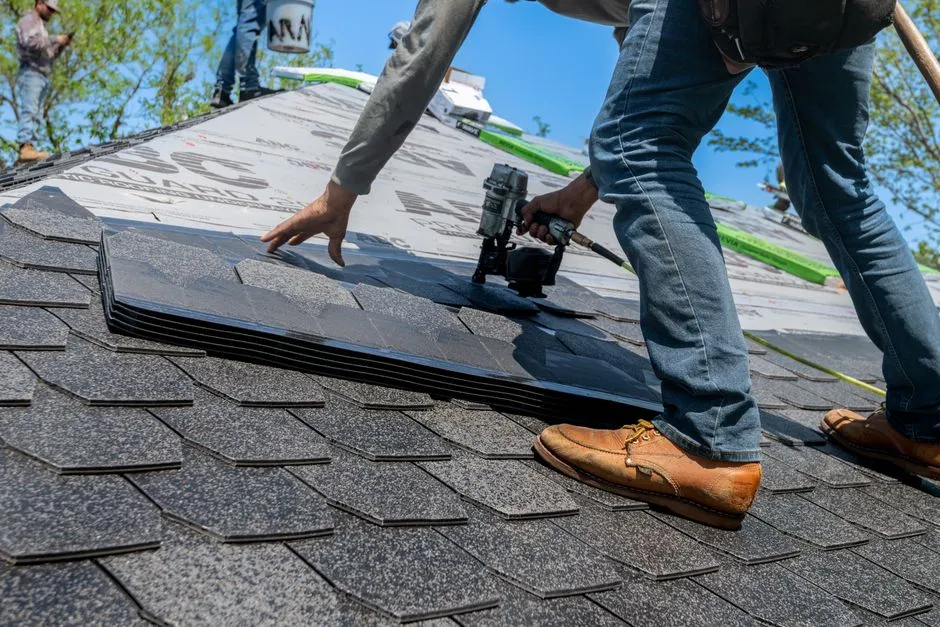
Roof Repair vs Replacement: The Short Answer
Repair the roof when the damage is small, localized, and the roof still has meaningful life left in it. Replace the roof when damage is widespread, the roof is at or near the end of its expected lifespan, or repairs have become a recurring expense. In practice, most of the decision comes down to three questions: how old is the roof, how much of it is affected, and how often have you been paying to fix it?
That framework sounds simple, but each question hides real judgment calls. This guide walks through them one at a time, gives you the signs that point clearly in each direction, and explains the math — including the awkward middle cases where either answer could be defensible.
One note before we start: we're an independent editorial publication, not a roofing company. Nothing here is a quote or a sales pitch. Our goal is that when a contractor does stand in your driveway making a recommendation, you can evaluate it instead of just accepting it.
Question 1: How Old Is the Roof?
Age is the single most useful input, because it tells you what a repair is actually buying.
A repair on a 6-year-old asphalt shingle roof buys you most of that roof's remaining service life — roughly 9 to 24 more years, depending on whether it's three-tab or architectural shingle. The same repair on a 22-year-old asphalt roof might buy you two winters. The dollar amount is identical; the value is wildly different.
Rough working lifespans for common residential materials:
- Three-tab asphalt shingles: roughly 15–20 years
- Architectural asphalt shingles: roughly 20–30 years
- Concrete tile: 40–50+ years (the underlayment beneath it wears out sooner)
- Clay tile: 50+ years, often much longer (again, underlayment is the weak link)
- Metal: roughly 40–60 years depending on the product
These are broad ranges — sun exposure, ventilation, installation quality, and climate all move the number. For a fuller breakdown by material, see our guide to how long each roofing material actually lasts.
The rule of thumb that falls out of this:
- Roof in the first half of its expected life: repair is almost always the right call for isolated damage.
- Roof in the last quarter of its life: be skeptical of any repair beyond a cheap stopgap. You'd be putting new tires on a car you're about to sell.
- In between: the other two questions decide it.
A San Diego–area wrinkle worth knowing: tile roofs are everywhere here, and with tile, the tiles themselves often outlive the underlayment beneath them by decades. A "tile roof replacement" is frequently really an underlayment replacement — a big job, but the age question applies to the underlayment, not the visibly fine tiles on top.
Question 2: How Much of the Roof Is Affected?
Repairs make sense for localized problems. Replacement makes sense for systemic ones. The trick is telling them apart, because from your ceiling stain's point of view they look the same.
Damage that usually points to repair
- A few shingles cracked, curled, or blown off in one area
- A slipped or cracked tile or two
- Flashing that has pulled away around a chimney, skylight, or vent
- A single leak traceable to one penetration or one spot
- Punctures from a fallen branch, confined to one section
These are wounds, not disease. A competent roofer can fix them, and the rest of the roof carries on.
Damage that usually points to replacement
- Curling, cupping, or cracking shingles across large areas — not just one patch
- Widespread granule loss (gutters full of what looks like coarse sand, shingles with shiny bald spots)
- Multiple leaks in different areas, or leaks that keep appearing in new places
- Sagging along the ridge or in roof planes — this can signal structural or decking problems and deserves prompt professional attention
- Daylight visible through the roof boards from inside the attic
- Widespread moss, rot, or soft spots in the decking
When damage shows up in several unrelated places at once, that's rarely coincidence. It usually means the whole surface has aged past its ability to shed water, and each repair is just the next symptom.
If you're not sure whether your leak is a wound or a symptom, start by locating it properly — our step-by-step guide to finding a roof leak covers how to trace one safely from the attic and the ground, without setting foot on the roof.
Question 3: How Often Are You Paying for Repairs?
The third question is about pattern, not damage. Pull up what you've spent on the roof over the past few years.
A useful mental model: a repair should buy years, not months. If you've called a roofer three times in two years for three different problems, you're no longer repairing a roof — you're making installment payments on a replacement, without ever getting the new roof.
Two honest tests:
- The share-of-replacement-cost test. A common rule of thumb holds that when a repair bill starts approaching a meaningful fraction of replacement cost — often framed as somewhere between a quarter and a third — replacement deserves a serious look. It's a heuristic, not a law, but it captures something real: big repairs on old roofs are usually poor value.
- The two-repair pattern. One repair is maintenance. A second unrelated repair within a year or two is a trend. Budget accordingly.
Repair vs Replacement at a Glance
| Factor | Points to repair | Points to replacement |
|---|---|---|
| Roof age | First half of expected lifespan | Final quarter of lifespan, or past it |
| Extent of damage | One area, one cause | Multiple areas, multiple causes |
| Leak history | First leak, clearly traceable | Repeat leaks, new locations |
| Shingle/tile condition | Isolated cracks or slips | Widespread curling, granule loss, brittleness |
| Structure | Decking solid, roofline straight | Sagging, soft spots, visible rot |
| Repair spending | Rare and small | Frequent, or one large bill looming |
| Your timeline | Selling soon, or bridging to a planned replacement | Staying put for years |
If your roof lands mostly in the left column, patch it with confidence. Mostly right column, start gathering replacement bids. Split down the middle? Keep reading.
When to Replace a Roof Instead of Repairing It
Plenty of failing roofs can still be patched — the question is whether patching is the sensible choice. These are the situations where replacement is the clearer call even though a repair is technically possible:
- The roof is in the last quarter of its expected life. At that point a repair is buying months or a couple of seasons, and you'll be paying for the replacement soon regardless.
- The problems are spreading, not repeating. Two leaks in the same valley is one defect. Leaks in three unrelated places is a surface that has stopped shedding water.
- The decking is involved. Soft spots, rot, or sagging mean the problem is under the roof covering, and fixing it properly usually means opening up large areas anyway.
- A repair would cost a meaningful slice of a replacement. Once you're spending a quarter or a third of the replacement figure on a patch, the patch has to buy a lot of years to be worth it.
- You're staying put for a decade or more. Long horizons reward doing it once; short horizons reward bridging.
Conversely, if the roof is young, the damage traces to one cause, and the structure underneath is sound, repair is almost always the better use of money — even if a contractor opens with a replacement pitch.
The Honest Math on Cost
Repair costs and replacement costs live in different universes, which is exactly why the decision is tempting to get wrong in both directions.
- Repairs for isolated damage often run in the hundreds of dollars, climbing into the low thousands for bigger jobs like extensive flashing work or repairing a section of decking.
- Full replacement is often a five-figure project, especially in higher-cost metros like San Diego and on larger, steeper, or tile roofs. It varies widely with roof size, pitch, material, tear-off, and local labor rates. We break down every major price driver in our guide to what actually sets roof replacement cost.
Treat both of those as broad planning ranges, not estimates — real numbers vary enormously by region and roof, and nobody can price yours without seeing it.
The mistake in one direction is obvious: replacing a healthy roof over a fixable leak wastes a lot of money. The mistake in the other direction is sneakier: stacking repair after repair onto a dying roof means you eventually pay for the replacement anyway, plus every repair along the way, plus whatever interior damage the failures caused in between. Water damage to insulation, drywall, and framing is where the real money disappears.
So the question is never "which is cheaper today?" — repair always wins that one. The question is cost per year of roof life gained. A hypothetical $900 repair that buys ten years is cheap; that same hypothetical $900 buying ten months is expensive. The figures are illustrative — the ratio is the point.
Middle-Ground Cases Worth Thinking Through
"Is patching a roof worth it?"
Yes — when the patch is a genuine fix on a roof with life left, or a deliberate bridge to a replacement you've already scheduled. Patching an old roof to get through one more rainy season while you collect bids is a perfectly rational move, as long as you're honest that it's a bridge, not a solution.
Selling the house soon
If you're listing within a year or two, a sound repair plus full disclosure is often more sensible than a full replacement you won't be there to enjoy — though a roof at the end of its life will surface in the buyer's inspection either way. Weigh it with your agent.
Insurance is involved
Storm or falling-object damage may be covered where ordinary wear and tear is not. Document everything with photos from the ground, report promptly, and understand your policy before committing to either path.
Partial replacement
Replacing one badly damaged slope while leaving the rest is sometimes offered as a middle path. It can make sense after localized damage on a newer roof, but on an aging roof it often means mismatched materials and a second project a few years later. Ask any contractor proposing it to justify why the remaining slopes will genuinely last.
How to Decide From Here
- Establish the roof's age and material. Check purchase records, permits, or ask neighbors with same-era homes.
- Survey safely. Binoculars from the ground, a flashlight in the attic. Stay off the roof — walking one is genuinely dangerous and a job for trained, equipped professionals.
- Tally your repair history. Frequency matters as much as any single bill.
- Get more than one professional opinion. Ask each roofer to justify their recommendation against the roof's age and condition — a good one will explain why, not just quote a number. For permit requirements on either path, check your local building department.
Work through those four steps in order and the answer usually stops feeling like a coin flip. Age tells you what a repair is worth buying, extent tells you whether the problem is a wound or a symptom, and your repair history tells you which way the trend is already pointing. When all three agree, act on them. When they don't, the deciding factor is almost always your own timeline in the house — and that's a question no contractor can answer for you.