Clay Tile vs Concrete Tile Roof: Compare the Whole System
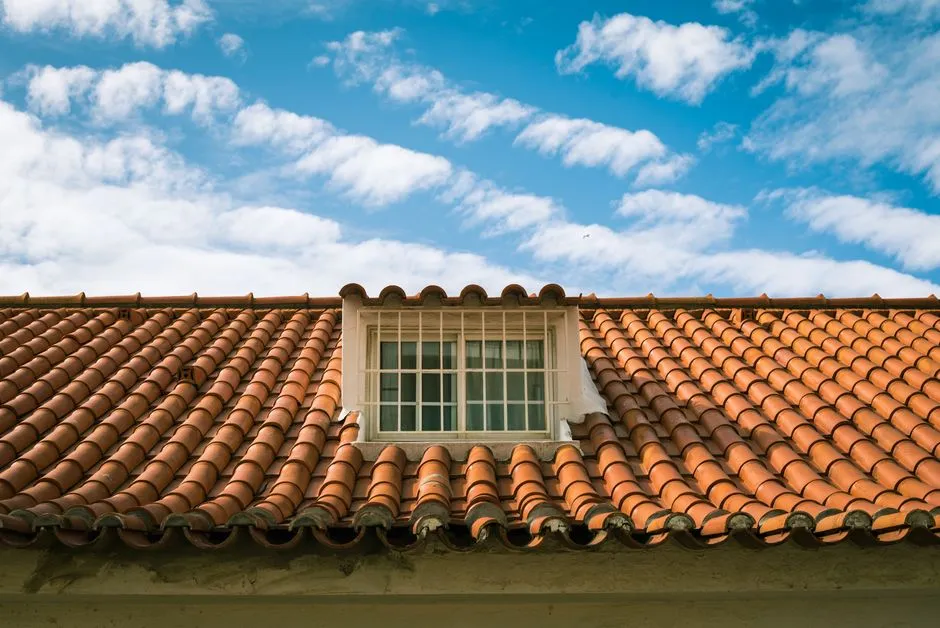
- Clay tile vs concrete tile: which roof is better?
- What is actually different between clay and concrete tile?
- Is clay tile lighter than concrete tile?
- Which one keeps its color longer?
- Which breaks more easily, and who should walk on it?
- Will a replacement tile match in ten years?
- Why does the underlayment decide how long the roof lasts?
- How do clay and concrete compare for San Diego fire and sun?
- What should a tile roof bid spell out?
- Sources
Clay tile vs concrete tile: which roof is better?
Neither material wins on its own. Clay tile is fired clay whose color is baked in, and it usually costs more; concrete tile is cement and aggregate, usually costs less, and its surface color weathers. Beyond that, the comparison is about the whole system: the specific profile's weight, whether the framing can carry it, how breakage and repairs will be handled, and the underlayment beneath the tile, which does much of the waterproofing work.
A tile roof is less a single product than a stack of decisions, and the tile you can see is only the top layer. Here is how to compare the two, layer by layer, with a San Diego eye.
What is actually different between clay and concrete tile?
They begin as different materials and answer to different standards. Concrete roof tile is covered by ASTM C1492, whose summary says tiles are manufactured from portland cement, water, and mineral aggregates, with or without other materials, and are tested for dimensional tolerance, freeze-thaw, transverse strength, permeability and water absorption. Clay roof tile is covered by ASTM C1167, which classifies tiles into three grades according to their resistance to weathering and also groups them into three types by profile and rise-to-width ratio.
In practice, ask which standard the product is certified to, and for clay, which grade. A bid that names the manufacturer, the profile and the standard is describing a real product. A bid that just says "tile" is describing a mood.
Is clay tile lighter than concrete tile?
Not reliably. The profile, the size and the exposure (how much of each tile shows once it is laid) can matter as much as the material, which is why a published weight for the exact product beats any rule of thumb.
The manufacturers' own sheets show the spread:
| Product (manufacturer's published figure) | Material | Weight per 100 sq ft |
|---|---|---|
| Eagle Capistrano, lightweight version (Eagle) | Concrete | 570 lb |
| Eagle Capistrano, standard weight | Concrete | 900 lb |
| Eagle Bel Air, standard weight | Concrete | 970 lb |
| Ludowici Spanish 13 1/4" (Ludowici) | Clay | 900 lb |
| Ludowici Straight Barrel Mission 16" (Ludowici) | Clay | 1,190 lb |
So a lightweight concrete tile and a clay mission tile can be more than 600 pounds per square apart, with clay the heavier one. Eagle also notes that standard-weight and lightweight availability varies by region.
Ludowici's barrel tile installation manual says the weight of one square of barrel tile will range from 800 pounds to over 1,250 pounds, and that reducing the exposure increases the roof load. The same manual recommends that the roof structure be evaluated by a registered engineer, and notes that most building codes require an engineering review. The Tile Roofing Industry Alliance says that if a home has not previously had a tile or slate roof, an inspection will determine if more support is needed.
Structural capacity is not something to estimate from a driveway. If the change involves heavier tile than the roof carries today, the answer belongs to a licensed engineer and to your local building department, which sets what calculations a reroof needs. Our guide to roofing permits in San Diego covers where to verify first.
Which one keeps its color longer?
This is where the two materials genuinely part ways.
Clay color is fired in. Ludowici says that in most cases it sprays the wet tile with a glaze of glass frit, silicas and pigments before firing; at kiln temperatures over 2000 degrees Fahrenheit the spray fuses onto the surface and becomes part of the tile. The company includes colorfastness in its 75-year material warranty, while noting that pollution and acid rain can slightly alter the surface over time, and that matte finishes are more susceptible than high-gloss ones.
Concrete is colored one of two ways, according to Eagle's homeowner guide: pigment mixed through the body of the tile ("through color"), or a slurry coat of cement-infused pigment on the top surface. Eagle says slurry-coated tile can oxidize and turn chalky before gradually wearing down to the concrete base, while through-color tile may lighten at the surface but keeps its base color. It adds that the softer colored layer on a new tile will typically erode away within the first ten years, depending on climate, leaving an overall lighter shade.
Concrete can also develop efflorescence, a white, chalky salt bloom. The Tile Roofing Industry Alliance's technical brief calls it a temporary surface discoloration common to all concrete-based building materials and says it is in no way detrimental to the tile's quality or structural integrity.
Which breaks more easily, and who should walk on it?
Both materials can crack under foot traffic, and a broken tile is a water problem, not just a cosmetic one. Eagle recommends that only licensed and insured professional contractors walk on its concrete tile roofs, and warns that broken tiles may allow water and UV rays to penetrate through to the underlayment and damage it.
Walking any tile roof is a fall risk as well as a breakage risk. Homeowners should look from the ground and leave anything on the roof surface to a licensed roofing contractor with the right equipment. When comparing materials, also count how often trades will need to be up there for solar, skylights or chimney work, since each visit is a chance to crack a tile.
Will a replacement tile match in ten years?
Clay is variable by nature. Ludowici says it is impossible to produce a monochromatic terra cotta tile, that tones shift with kiln temperature and each tile's position in the kiln, and that the range of colors produced may vary with each firing. It recommends a test patch of no fewer than 50 tiles before ordering a blend. On older roofs with leaded glazes, the company says matching those colors with today's non-leaded glazes is virtually impossible.
Concrete varies too. Eagle says single-color tiles will show variation from one tile to the next because they are made from natural raw materials, and it generally recommends blends to mask it. Add the first-decade surface lightening described above, and a fresh concrete tile set into an older roof can stand out.
The editorial advice is the same for both: ask that leftover tiles from the original order be left on site, labeled with the product name and color, and stored somewhere dry. A box of matching spares in the garage is worth more than a perfect color name on an old invoice.
Why does the underlayment decide how long the roof lasts?
Because tile sheds water, and the layer underneath catches what gets past it. Answering a homeowner's question on Eagle Roofing's site, the Tile Roofing Institute's president and technical director explained that modern dense tiles allow tiles to become the primary water shedding component, with the underlayment acting as a secondary barrier against wind-driven rain or tile damage, and that the tile in turn shields the underlayment from UV.
Ludowici's manual is blunter: water migrating through tile joints is behind most problems on water-shedding roofs, so the underlayment is critical to the roof's success. Because its tiles are expected to last over 75 years, it says the underlayment should be of comparable lifespan and quality.
A premium tile over a short-lived underlayment is a short-lived roof. When you compare bids, compare the underlayment line as carefully as the tile line. In the UK, BRE notes that manufacturers of both clay and concrete tiles typically guarantee their products for 30 years and that roof life also depends on battens, underfelt, nails and installation. For broader lifespan context, see how long a roof lasts.
How do clay and concrete compare for San Diego fire and sun?
On fire rating, they start level. A University of California field guide for wildfire hazard assessment lists clay tiles, concrete tiles, and slate among common stand-alone Class A roof coverings. The same guide flags the weak point: wind-borne debris and bird nests can collect under clay barrel tile and other openings at the roof edge, and that fuel can be ignited by embers driven into the gap between tile and sheathing. Closing those openings is called bird stopping, and on a curved clay or concrete profile it should be specified in writing.
On heat, color and reflectance matter more than material alone, and California's cool roof rules can apply to a reroof. Our California cool roof guide explains how to check whether a given product qualifies.
What should a tile roof bid spell out?
Make sure each bid names:
- the manufacturer, profile and color, plus the published weight per square;
- the ASTM standard the tile meets (C1167 for clay, with grade; C1492 for concrete);
- the coloring method for concrete (through-color or slurry-coated);
- the underlayment product and number of layers;
- eave closures or bird stops at open edges and ridges;
- whether a structural review is included or excluded;
- how many spare tiles will be left behind;
- who pulls the permit.
Prices vary widely by region and roof, and clay usually carries the higher bill, so get both materials quoted on the same roof by the same contractor where you can. Our roofing estimate checklist walks through comparing those bids line by line.
Sources
- ASTM C1492-22, Standard Specification for Concrete Roof Tile
- ASTM C1167-22, Standard Specification for Clay Roof Tiles
- Eagle Roofing Products, Technical Specifications
- Ludowici, Spanish 13 1/4" product page
- Ludowici, Straight Barrel Mission 16" product page
- Ludowici, Barrel Tile Installation Manual (PDF)
- Tile Roofing Industry Alliance, Why Weight Matters
- Ludowici, Colors of Ludowici: Aged Oak Blend and The Art and Science of Ludowici Color (PDF)
- Eagle Roofing Products, Simple Facts about your Concrete Tile Roof (PDF)
- TRI Alliance Technical Brief 2014-01, Efflorescence on Roofing Tiles (PDF)
- Eagle Roofing Products, Ask the TRI Expert: Roof Protection, Tiles and Underlayment
- BRE Group, Ageing roof tiles
- University of California, Community Wildfire Hazard Assessment and Rating Field Guide (PDF)